How to Roast Vegetables
If you want to know how to roast vegetables so they actually taste good, the answer is pretty simple: use enough heat, season them properly, and give them room on the pan.
Roasted vegetables can be an incredibly good side dish, or even a main dish if you are a vegetable lover, but only if they are cooked the right way. Oil, seasoning, and a little butter can turn vegetables from bland and forgettable into something you will actually want to eat.
Best Temperature for Roasting Vegetables
One of the most common questions is what temperature is best for roasting vegetables.
As a general rule:
- 400°F is a great starting point for most vegetables.
- 425°F is even better if you want more browning and crisp edges.
- 450°F can work for dense vegetables, but you need to keep a closer eye on them.
The best temperature for roasting vegetables depends on what you are cooking.
Dense vegetables like potatoes, carrots, Brussels sprouts, cauliflower, and butternut squash do especially well at higher temperatures.
Softer or more watery vegetables like zucchini, tomatoes, and bell peppers can still roast well, but they usually need a little more attention so they do not get mushy too fast.
If you are roasting mixed vegetables in one pan, start the denser vegetables first if needed, then add the quicker-cooking vegetables later.
How to Prep Vegetables for Roasting
If you want evenly roasted vegetables, cut them into similar-sized pieces.
If one piece is tiny and another is huge, one will burn before the other is done. That has nothing to do with your oven and everything to do with your knife work.
The pieces do not have to be perfect, but they should be close in size so they roast at the same pace. Also, keep in mind that vegetables shrink as they roast, so do not cut them too small.
You also want your vegetables to be dry before they go into the oven. Moisture is the enemy here. Wet vegetables are much more likely to steam than roast.
How Much Oil to Use for Roasted Vegetables
A lot of people either drown their vegetables in oil or do not use enough.
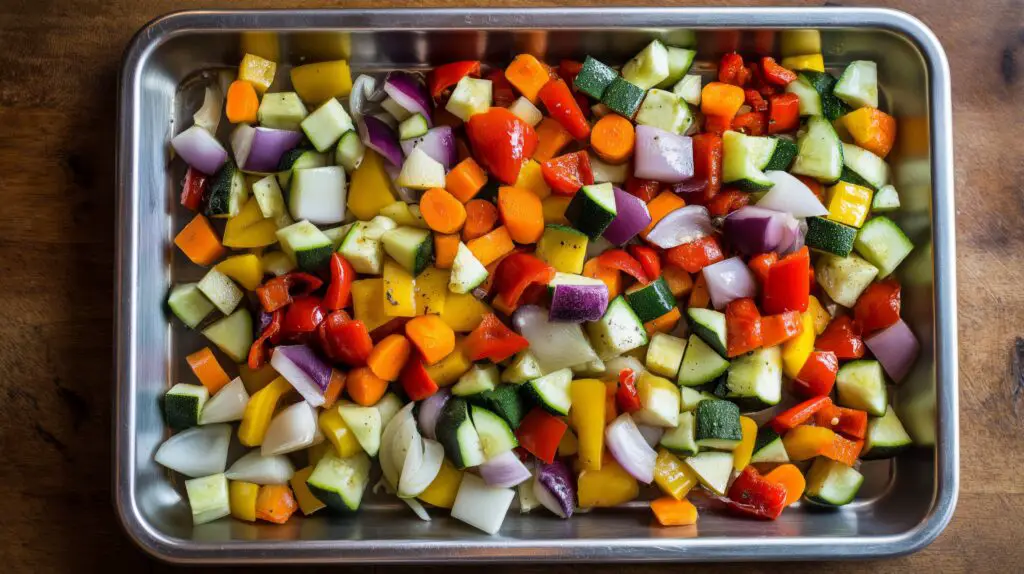
The easiest way to get the right amount is to toss the vegetables in a large bowl with the oil and seasonings first, then transfer them to the pan. Once everything is coated, spoon the vegetables onto the baking sheet. If you used too much oil, the extra stays in the bowl instead of soaking the vegetables.
Olive oil is my go-to for roasted vegetables, but any oil that can handle roasting temperatures will work.
Seasoning Roasted Vegetables
As a restaurant cook, here is one of the biggest things I can tell you: season your food.
Seasoning is flavor. Flavor is what makes vegetables worth eating.
A lot of people think they do not like certain vegetables when really they just have not had them cooked and seasoned properly. Salt, pepper, and garlic are the basics. From there, you can start playing with herbs, spice blends, or whatever flavors you like.
If you are nervous about overdoing it, season before roasting and then taste after cooking. Adjust from there until the seasoning brings out the flavor of the vegetables instead of covering it up.
That is the goal. Enhance, not bury. Looking at you, ranch dressing.
Why Butter Helps Roasted Vegetables
I know some people are going to question adding butter when there is already oil involved, but I stand by it.
Once the vegetables are spread out on the pan, add a few pats of butter over the top and let it melt as they roast.
The butter helps with browning, adds flavor, and helps keep the vegetables from sticking. If you want roasted vegetables that taste better, add the butter.
Do Not Crowd the Pan
If you want crispy roasted vegetables, this part matters.
When vegetables are piled on top of each other or packed too tightly, they trap steam. Instead of roasting, they soften and sweat. That is how you end up with soggy vegetables instead of browned, caramelized ones.
Spread them out in a single layer and give them some space. If you are making a large batch, use two pans instead of cramming everything onto one.
If you want color, space matters.
Should You Use Parchment Paper for Roasting Vegetables?
You can, but I would not.
If your goal is better browning, parchment paper is not doing you any favors. It can slightly block direct contact with the hot pan and hold onto a little moisture, which pushes things more toward steaming than roasting.
Most people use parchment paper to prevent sticking or make cleanup easier. Oil and butter already help with sticking. If you are still worried, spray the pan lightly with cooking spray. If cleanup is the main issue, foil is a better option than parchment for this.
How Long to Roast Vegetables
Another big question is how long to roast vegetables?
The answer depends on the vegetable, the size of the pieces, and the oven temperature, but these are decent general ranges:
- softer vegetables: 15 to 25 minutes
- medium vegetables: 25 to 35 minutes
- dense vegetables: 35 to 45 minutes or longer
Most vegetables should be stirred or flipped at least once so they roast more evenly.
Do not rely only on the clock. Look at them. Roasted vegetables should be tender, browned, and a little crisp around the edges.
Vegetable Roasting Times
These roasting times are rough guidelines, not hard rules:
- Broccoli: 20 to 30 minutes
- Cauliflower: 25 to 35 minutes
- Carrots: 30 to 40 minutes
- Brussels Sprouts: 25 to 35 minutes
- Potatoes: 35 to 45 minutes
- Sweet potatoes: 30 to 45 minutes
- Zucchini: 15 to 25 minutes
- Bell Peppers: 20 to 30 minutes
- Onions: 25 to 35 minutes
Smaller pieces cook faster. Larger pieces take longer. That part is not complicated, but it does matter.
How to Tell When Roasted Vegetables Are Done
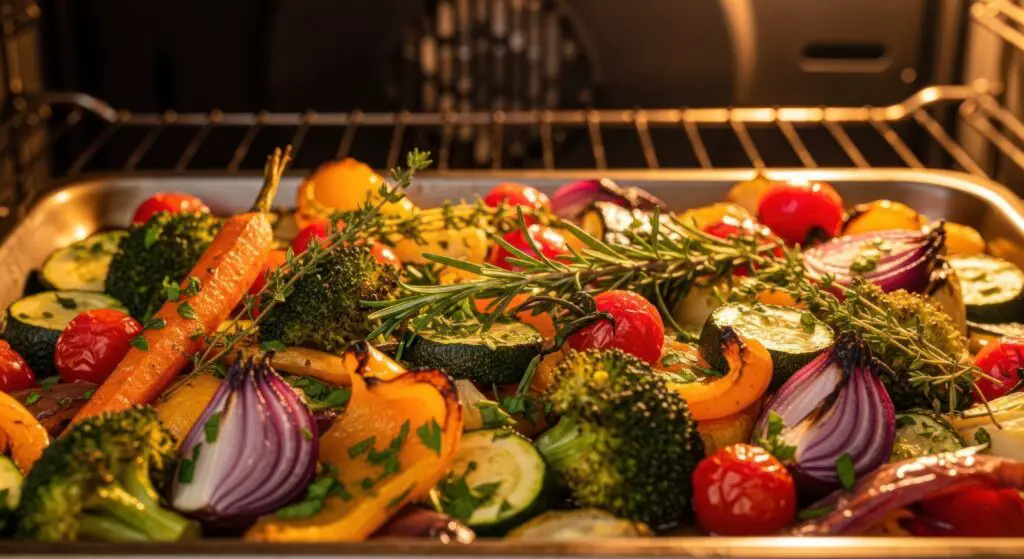
Good roasted vegetables should be fork-tender, browned in spots, and smell like something you actually want to eat.
They should not be gray, watery, or limp unless that is just the nature of that particular vegetable. What you are looking for is caramelization, concentrated flavor, and some crisp color on the edges.
A lot of people pull vegetables too early because they are scared of burning them. A little browning is not the problem. That is usually where the flavor is.
Common Roasted Vegetable Mistakes
If your roasted vegetables keep turning out disappointing, one of these is usually the reason:
- oven temperature too low
- pan too crowded
- vegetables cut into uneven sizes
- too much moisture on the vegetables
- too much oil or not enough oil
- under-seasoning
- pulling them before they are actually browned
Final Thoughts on Roasting Vegetables
If you want better roasted vegetables, do not overcomplicate it.
Cut the veggies into similar-sized pieces, coat the veggies with oil in a bowl, season, spread them out on the pan, add butter, and don’t be afraid of color.