How Long Can Food Sit Out? A Practical Guide to Food Safety at Home
If you want the short answer, most perishable food should not sit out for more than about 2 hours.
If the room is especially hot, or you are outside in summer weather, that window gets even shorter. Once food has been hanging out too long in the temperature danger zone, you are not making a careful kitchen decision anymore. You are playing food poisoning roulette.
That sounds dramatic, but it is true. A lot of food safety questions boil down to the same basic rule, whether you are talking about sour cream, cooked rice, leftovers, takeout, tofu, or the sandwich you forgot on the counter.
If you are here for the quick version: use the 2-hour rule, shorten that to 1 hour in high heat, and do not trust smell alone to tell you whether food is still safe.
What Is the Temperature Danger Zone?
The temperature danger zone is the range where bacteria grow fastest in food. In practical home-kitchen terms, it means food is no longer cold enough to be safely held in the fridge, but not hot enough to stay safely hot either.
If you are super into numbers, the zone is 41F to 135F. In commercial kitchens, we have strict guidelines for cooling and food handling. Most of that is not needed in your home. Just get leftovers put away quickly.
This is the zone where people get into trouble by thinking:
- It still smells fine
- It has only been out a little while
- The kitchen is not that warm
- Reheating it later will fix everything
Sometimes you get away with that. Sometimes you do not. I do not recommend gambling on it.
The 2-Hour Rule
For most perishable foods, 2 hours is the rule to remember.
That includes foods like:
- cooked meat
- leftovers
- dairy-based dishes
- cooked rice
- eggs
- takeout
- tofu
- casseroles
- pasta dishes
- anything creamy, meaty, or moist enough to support bacterial growth
Once those foods have been sitting out for around 2 hours, the safe move is usually to refrigerate them or toss them, depending on how long they have already been there.
If the temperature is especially hot, roughly 90 degrees F or higher, cut that time down to about 1 hour.
That matters more than people think. A cool house and a hot summer kitchen are not the same thing.
Why Room Temperature Is a Bad Measuring Stick
One of the biggest problems with food safety advice online is that people talk about “room temperature” as if it is a fixed thing. It is not.
Some houses stay cool. Some kitchens heat up fast when the oven has been on, the sun is hitting the windows, or it is the middle of July. If your house is warm enough that you are babying tropical plants, or sweating while you cook, food is not getting extra grace just because it is technically indoors.
That is why “it was only on the counter” does not tell you much by itself.
Foods People Push Too Far
Some foods seem to get questioned over and over because people assume they are safer than they are.
Cooked Rice
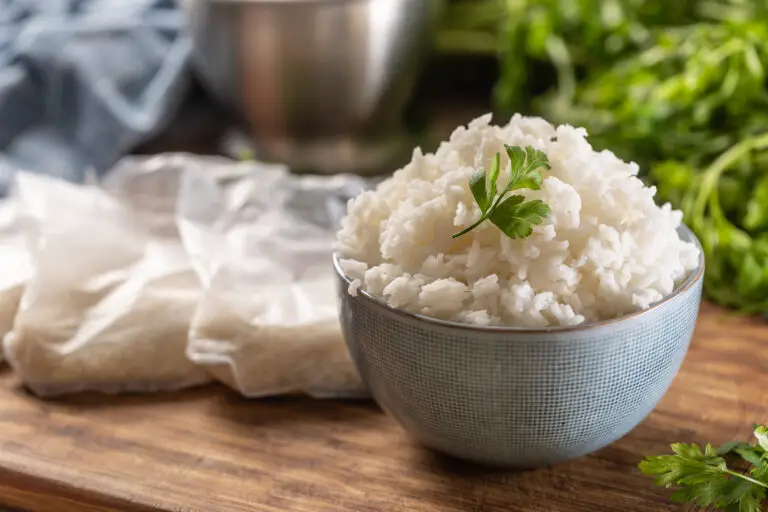
Rice surprises people, but it is one of the foods I take seriously. If cooked rice sits out too long, it can become risky even if it looks fine. Do not leave it on the counter all afternoon and expect reheating to magically make it safe.
Dairy and Creamy Foods
Sour cream, creamy dips, cheese sauces, Alfredo, casseroles, and other dairy-heavy foods do not get a free pass. If they have been sitting out for too long, put them in the trash and move on.
Meat and Leftovers
Cooked chicken, taco meat, burger patties, pulled pork, soup, takeout containers, and random leftovers all fall into the same category for me: if you forgot about them for too long, they are not worth the risk.
Tofu and Other Plant-Based Proteins
People sometimes treat tofu as if it were low-risk because it is not meat. It is still perishable. The same common-sense food safety rules apply.
What About Food That Smells Fine?
This is where people get burned.
Food can be unsafe before it smells bad, looks weird, or tastes off. Smell is useful for quality. It is not a reliable food safety test.
If your decision is based on “it smells okay,” you are already in shaky territory.
Does Reheating Make It Safe Again?
Not always.
Reheating can kill some bacteria, but it does not automatically undo every problem caused by improper storage.
A lot of food safety issues are not just about the bacteria growing in your leftovers. It is also about the toxins some bacteria can leave behind. Let’s say you leave your prime rib roast out for 4 hours while you catch up with family during the holidays. That roast might still look and smell fine, but that does not mean it is a risk worth taking. Cooking, cooling, or freezing later does not reliably undo bad food handling earlier.
That is why I would rather tell people to be a little stricter up front than pretend there is a magic fix later.
The Safest Habit Is Also the Easiest One
If you want fewer food safety headaches, do this:
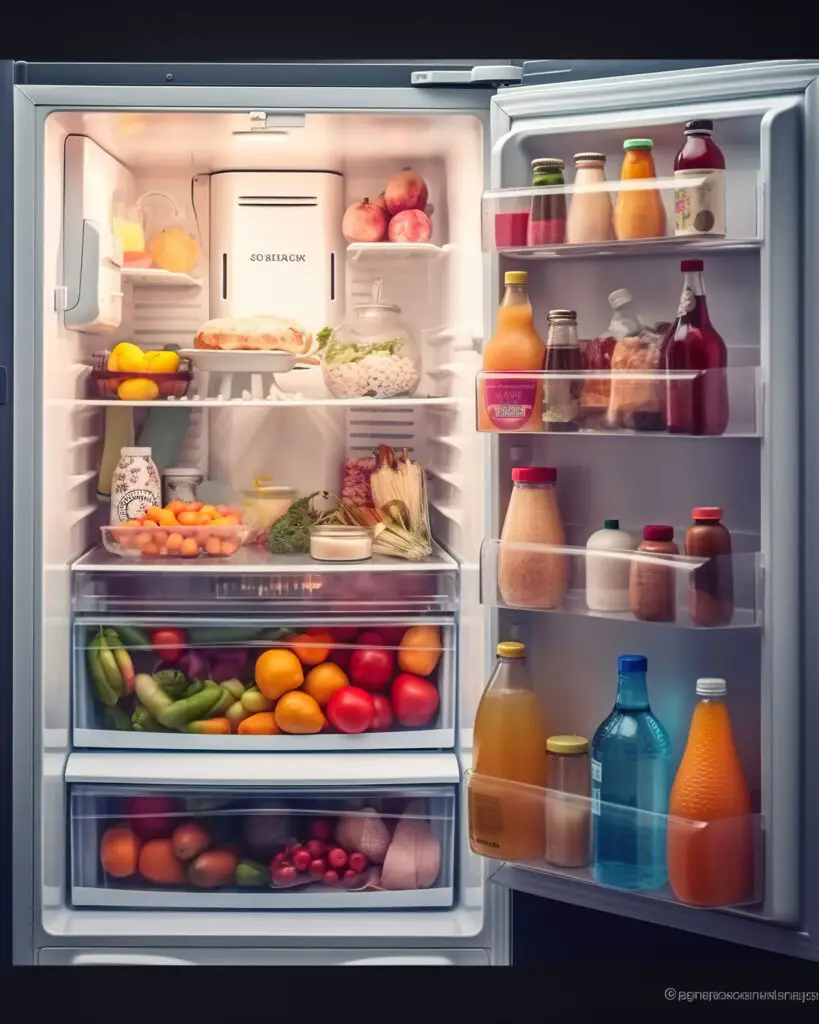
- Put leftovers away sooner
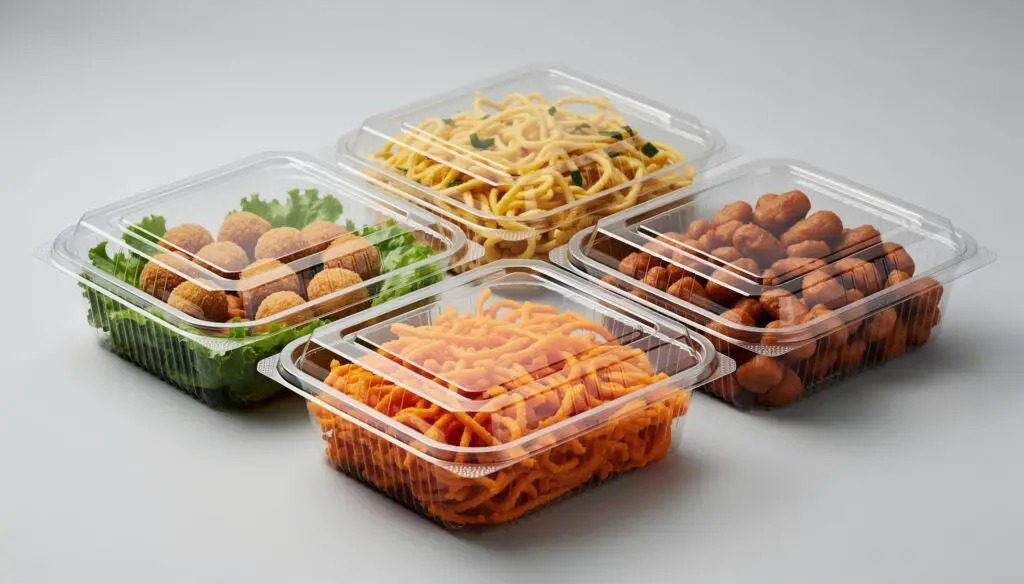
- Use shallow containers so food cools faster
- Do not leave food on the stove, counter, or table just because you plan to come back to it
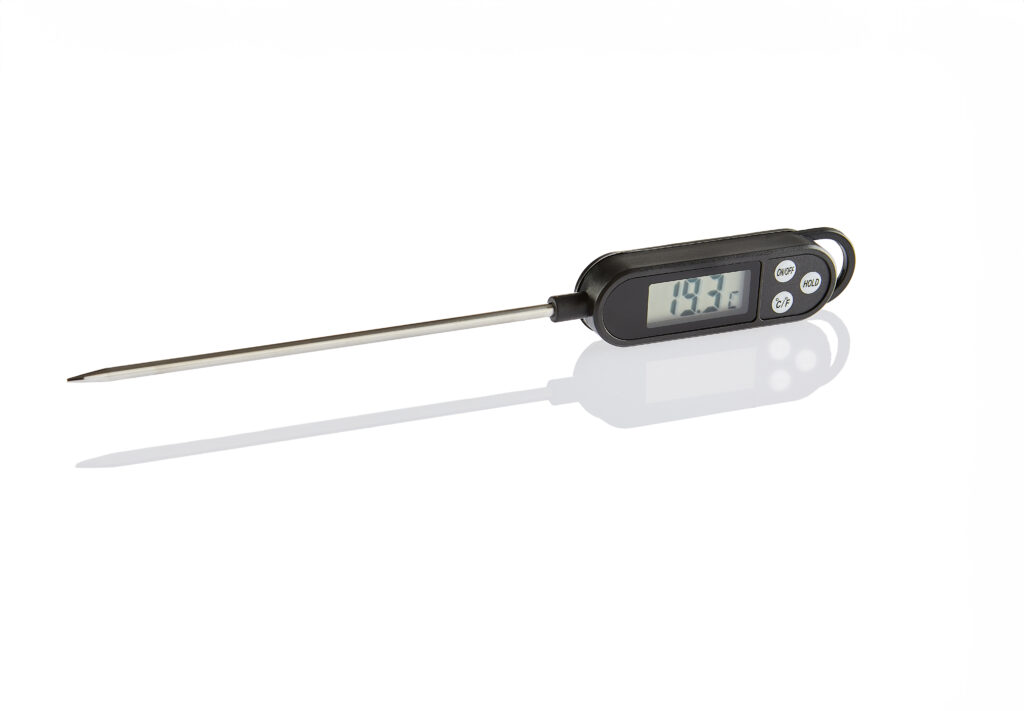
- Use a food thermometer when reheating if you want extra peace of mind
- When in doubt, throw it out
I know nobody likes wasting food. I hate wasting food. But I hate food poisoning a lot more.
Quick Practical Rule
If the food is perishable and it has been sitting out for close to 2 hours, stop debating and deal with it.
Get it in the fridge.
If it has been out much longer than that, especially in a warm room, you are usually better off tossing it.
Final Thoughts
A lot of food safety questions sound different on the surface, but the answer is often the same.
Perishable food does not belong in the temperature danger zone for long. The general rule is about 2 hours, or about 1 hour if the environment is hot. After that, you are taking a risk that usually is not worth taking.
If you want a kitchen rule that saves you a lot of trouble, this is a good one: do not trust the counter more than you trust the fridge.
FAQ
For most perishable foods, about 2 hours is the standard rule. If the temperature is very hot, around 90 degrees F or higher, cut that down to about 1 hour.
I would not. Smell is not a reliable way to judge whether food is safe.
Not necessarily. Reheating is not a guaranteed fix for food that sat out too long.
Cooked rice, meat, dairy-heavy dishes, eggs, tofu, leftovers, takeout, and creamy sauces are all foods I would be careful with.
Not really. Unless you keep your home very cool, stick to the 2-hour rule. And if your kitchen is hot, food becomes riskier faster.