How to Read a Recipe Before Cooking
People love to say, “Just follow the recipe,” like that clears everything up. But if you’re new to cooking, recipes can be full of assumptions, vague wording, and steps that only make sense if you already know what you’re doing. Learning how to read a recipe before you start can save you time, stress, and a sink full of unnecessary dishes.
Read the Whole Recipe Before You Start
Before you do anything else, read through the entire recipe. Ingredients, tools, steps, and methods should all be there in a well-written recipe. Reading everything first helps you figure out what ingredients you need, what form they need to be in, and when they get used.
This is also a good time to prep in a way that makes sense to you. If you need to chop vegetables, measure spices, or set out ingredients ahead of time, now is the time.
Just as important: the process needs to make sense to you. If there are any words or techniques you don’t recognize, look them up before you start cooking. There are plenty of people out there using complicated cooking terms when plain English would do just fine.
Gather Your Tools Before You Cook
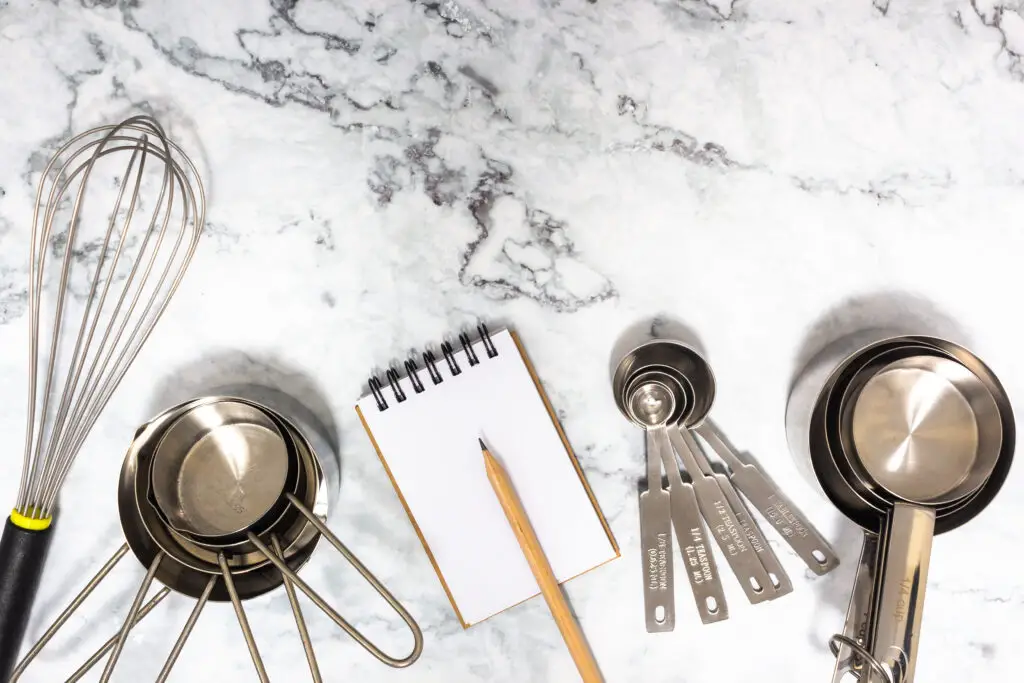
Most recipes call for some kind of measuring, so grab the measuring cups or spoons you need. If you’re baking, you may also need a scale.
If you need to chop ingredients, make sure you have a cutting board, a knife, and some kind of container for anything you prep ahead. If your cutting board is small enough and you’re comfortable sliding ingredients straight into the pan, that works too.
You’ll also need the right bowls, pans, or skillets for mixing and cooking. Recipes will usually tell you if you need something like a large bowl or a large skillet. The important part is choosing something big enough that you can actually work in it comfortably.
I have played the “it’ll fit” game many, many times. It usually ends with a mess.
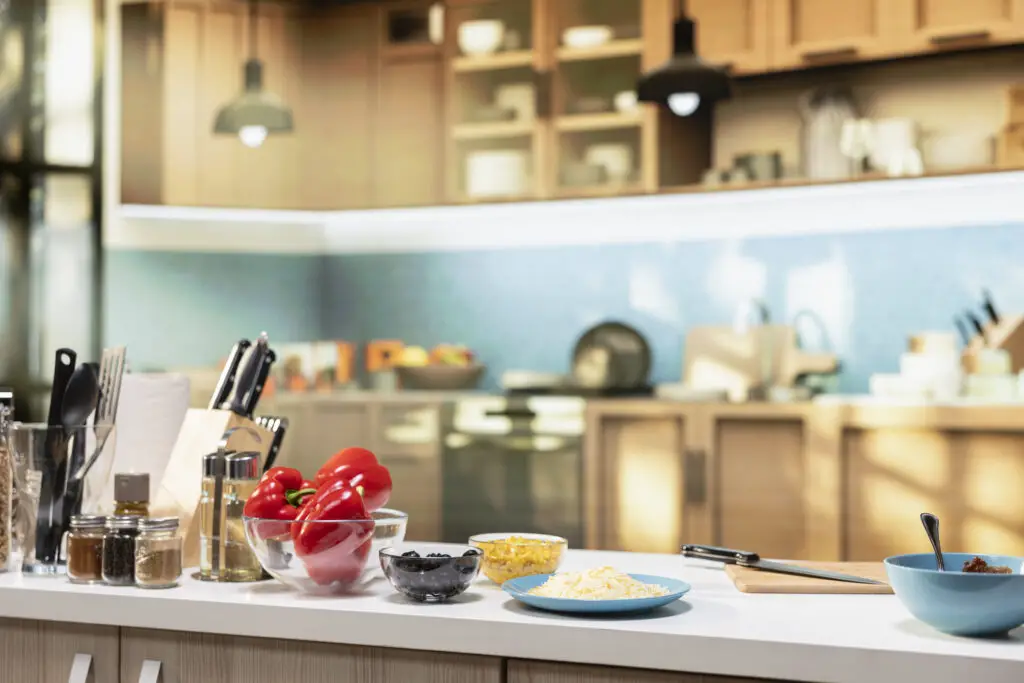
Gather and Prep Ingredients First
Figure out what ingredients you need before you start. If you’re missing something, you can look for a substitute you already have on hand. If you don’t have the ingredient or a workable substitute, then you can decide whether the recipe is worth a trip to the store.
Anything that needs to be chopped, measured, softened, drained, or pre-cooked should be handled before you start cooking. This makes the whole process smoother and helps prevent mistakes once the heat is on.
Learn Common Recipe Terms and Wording
Recipes often use shorthand that can be confusing if you’ve never seen it before.
If a recipe says something like “2 cups flour, divided,” that means the full amount will be used in more than one step. To figure out how much goes where, you’ll need to check the method. Sometimes recipe writers are nice and tell you exactly how it breaks down. Sometimes you have to Sherlock Holmes your way through it.
Here are a few other common terms:
- Warm usually means around 100°F, unless the recipe gives a more specific range.
- Scant means a little less than a full measure.
- Separate eggs means separating the yolks from the whites, not keeping the eggs apart because they’re fighting.
- Fold in means gently mix something in, usually with a rubber spatula or spoon, so you don’t knock all the air out of it.
- Season to taste means add salt, pepper, or other seasonings until it tastes right to you.
- Room temperature usually means around 70°F. If a recipe calls for room-temperature ingredients, leave them out for a while before using them. Don’t try to rush it by heating them up.
- Softened usually means soft but not melted, especially when you’re working with butter.
And then there’s “cook to perfection,” which is vague enough to be almost useless. I prefer GBD: golden brown and delicious (thank you, Alton Brown). What they usually mean is cook it until it looks right, is browned properly, and is actually done.
Understand Recipe Cook Times and Temperatures
Every stove, oven, and pan behaves a little differently, so get to know yours. Does your oven run hot or cool? Does one burner take a coffee break halfway through cooking and refuse to hold temperature? Those things matter.
For example, my home oven runs a little hot. Not by a lot, maybe 5 or 10 degrees, but enough to matter. Now, I do not bake at home, and you cannot make me, but I am a frozen pizza connoisseur. If the box says 400°F for 20 minutes, I’m probably setting the oven to 390°F and checking it around 15 minutes.
You can apply the same logic to whatever you’re cooking. If your oven runs hot, lower the temperature a bit and start checking early. If it runs cool, you may need a little more time. A recipe gives you a starting point, not a divine command.
Not All Recipes Are Written Well
The more you cook from recipes, the more often you’ll run into recipes that are incomplete, unclear, or just plain wrong. Sometimes it’s the author. Sometimes it’s the editor. Sometimes it’s the publisher. If something looks completely off, there is a very real chance the recipe is the problem.
When I’m making something for the first time, and I’m not sure what belongs in it, I’ll often compare a few recipes to see whether they use similar ingredients and methods. It’s a simple way to catch mistakes and spot outliers.
You’ll also run into instructions like “measure with your heart,” which usually means add however much you want. That is fine for something flexible, like chocolate chips in cookies or extra garlic in dinner. If you see that kind of energy in a baking recipe where the structure matters, I would reconsider. Baking is a science. Cooking is an art.
What If the Recipe Still Doesn’t Turn Out?
Sometimes a recipe just isn’t very good. Sometimes it’s fine, but it’s not to your taste. Sometimes the recipe is genuinely flawed. And sometimes the issue is that something got missed or went sideways while cooking.
None of that is a reason to get discouraged.
If the recipe just wasn’t for you, that’s still useful information. If the recipe was bad, now you know. And if the issue was a mistake on your end, you still learned something for next time.
I have messed up plenty of things. Sometimes I mess up the food I cook every day. Real-life example: I cook roughly 100 pancakes a day. Some are plain, some are filled, and at this point, I would absolutely describe myself as a pancake pro. I still mess up pancake flips sometimes. I’ve dropped them off turners, had them stick, and had them fall apart.
It happens.
The important part is to keep trying, or in my case, blame the spatula.
Final Thoughts
Reading a recipe well is one of the easiest ways to make cooking less stressful. Read the whole thing, look up anything confusing, gather your tools, prep your ingredients, and remember that cook times and temperatures can vary depending on your kitchen.
The more recipes you work with, the easier all of this gets. Before long, you’ll stop feeling like recipes are giving you orders and start feeling like they’re actually helping.
FAQ About Reading Recipes
When a recipe says an ingredient is “divided,” it means you will use that ingredient in more than one step. You’ll need to read the method to see how much goes where.
Room temperature usually means around 70°F. In most cases, it means you should leave the ingredient out for a little while before using it instead of trying to heat it quickly.
Scant means slightly less than a full measured amount. A scant teaspoon or scant cup should not be completely full.
Reading a recipe before cooking helps you understand the ingredients, steps, tools, and timing before you begin. It can help you avoid mistakes and make the cooking process much less stressful.
If a recipe looks incomplete, confusing, or way off, it may actually be wrong. Comparing it to a few similar recipes can help you spot mistakes before you waste ingredients.