How to Season Food Properly
If you are new to cooking, learning how to season food properly can make a bigger difference than almost anything else you do in the kitchen. Good seasoning helps bring out the flavor of the food, while bad seasoning can leave a dish bland, flat, or way too strong.
The good news is that seasoning does not have to be complicated. You do not need a giant spice collection or chef-level instincts to make food taste better. Once you understand a few basic habits, like seasoning at every step and tasting as you go, the whole process gets much easier.
What Seasonings Should You Have in Your Pantry?
This part is somewhat personal, but I think it helps to start with the basics.
For savory cooking, I would keep:
- salt
- black pepper
- garlic
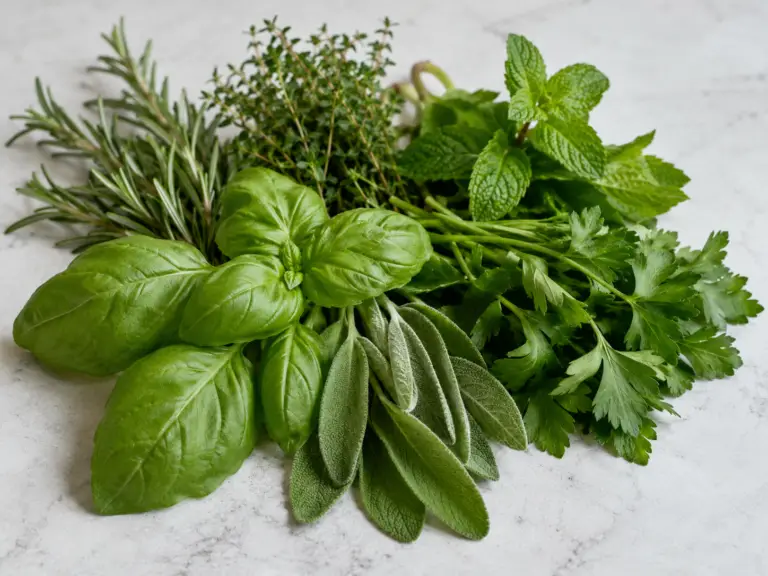
- basic herbs or a blend like Italian seasoning
For baking or sweets:
- vanilla
- cinnamon
- ginger
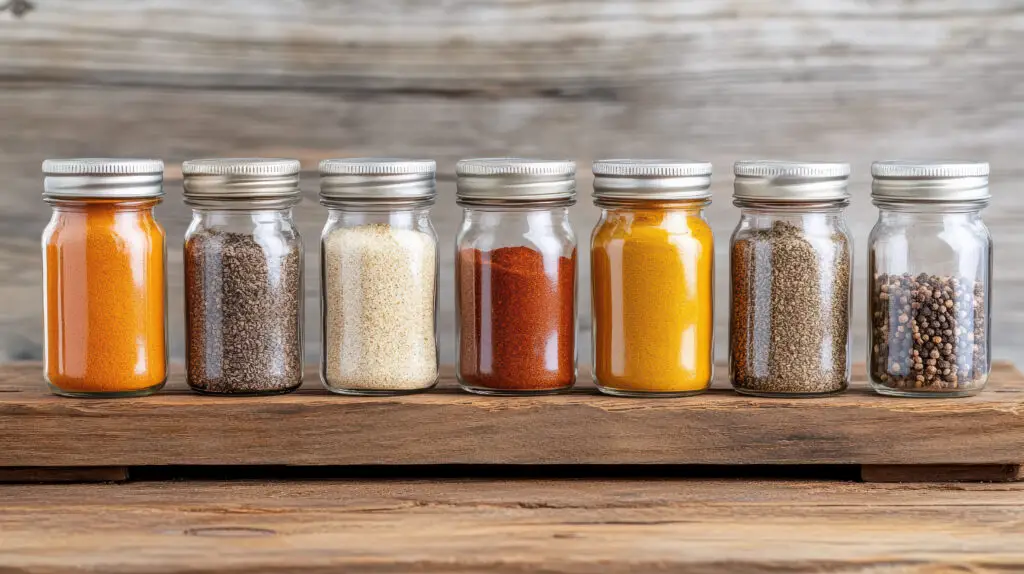
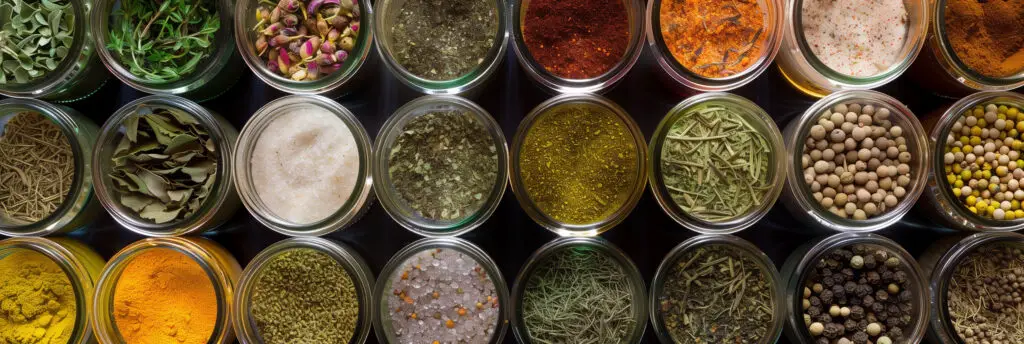
There are a lot of seasonings out there, and you do not need all of them. I can think of five different kinds of salt off the top of my head, and most people do not need that many choices sitting in the pantry. If you keep a few basics on hand, you can get through a lot of everyday cooking.
The Basics of Seasoning
Most of the time, you are using seasoning to bring out the flavor of the food, not turn the food into a vehicle for eating seasoning.
The biggest thing to understand is this: season at every step, not just at the end.
That does not mean dumping the full amount of seasoning into the dish all at once. It means seasoning each part of the dish as you go.
For example, if you are making a chicken and vegetable stir-fry, season the chicken before it goes into the pan. When the vegetables go in, season those too. Then, once the dish is finished, taste it and adjust if needed.
That is how you build flavor instead of trying to rescue the whole dish at the end.
Here is a real example of why that matters. Years ago, I was at a gathering where someone served a chicken casserole with mushrooms and cheese. The dish smelled super garlicky and amazing. The sauce was good. The cheese was good. The chicken, though, was bland enough that it stood out immediately. It was obvious the seasoning had gone into the sauce or just on top, but not onto the chicken itself.
That is why I always say to start by seasoning your proteins.
Building Flavor While You Cook
Seasoning is one of the main ways you build layers of flavor in a dish, and timing matters.
Take fresh garlic as an example. If you add garlic early in the cooking process, it mellows out and blends into the dish. That is the garlic flavor most people want in things like pasta sauce, soups, or sauteed vegetables.
If you add that same garlic near the end of cooking, it is going to taste much sharper and stronger because it has not had time to mellow out.
The same idea applies to herbs and spices.
A few general guidelines:
- Fresh garlic usually goes in early to the middle of cooking
- Dried herbs usually go in early enough to wake up in the dish
- Fresh herbs usually go in near the end or after cooking
- Dried spices can go in at different times, depending on how bold you want them to taste
- Salt and pepper can be added throughout cooking, depending on the dish
- Meat is usually seasoned before cooking starts
Soups and sauces often need seasoning in the middle and again toward the end. Meat usually needs seasoning up front. Vegetables often need a little seasoning when they hit the pan.
Underseasoning vs Overseasoning
If you have ever taken a bite of something and thought, “This doesn’t taste like much,” there is a good chance it was underseasoned.
Usually, that means it needed salt, though sometimes it also means it needed acid, garlic, herbs, or a better balance overall.
On the other hand, if all you can taste is garlic, or salt, or one heavy spice, the dish was probably overseasoned.
The good news is that underseasoning is much more common, and it is much easier to fix.
You can usually add more seasoning. It is a lot harder to take it back out once it is overdone.
Taste as You Go
This is probably the most important habit you can build.
Taste your food while you are cooking. When you add seasoning, give them a minute or two to blend into your dish and then taste again before serving.
I cannot tell you exactly how much seasoning your food needs, because I am not standing in your kitchen tasting it with you. That part comes with practice.
The best way to learn is to experiment. Add a little, taste, and pay attention to what changed. That is how you start building confidence.
Final Thoughts
Learning how to season food properly takes practice, but it gets easier the more you cook. Keep a few basic seasonings on hand, season at every step, and taste as you go.
You do not need a cabinet full of fancy spices to make food taste good. You just need to know when to season, what each seasoning is doing, and when to stop.
FAQ About Seasoning Food
To season food properly, add seasoning in layers instead of all at once. Season proteins before cooking, season vegetables and other ingredients as they are added, and taste the dish at the end to see if it needs more.
Most beginners can get a lot of use out of salt, black pepper, garlic, and a basic herb blend like Italian seasoning for savory dishes. For sweet cooking, vanilla, cinnamon, and ginger are good basics to keep on hand.
Usually both. Seasoning during cooking helps build flavor, while seasoning at the end helps you adjust the final taste. If you wait until the end to add everything, the dish may still taste flat.
Underseasoned food usually tastes bland, flat, or like it is missing something. In many cases, it needs salt, but sometimes it also needs more herbs, spices, or a better balance of flavors.
Sometimes, but it depends on what was added and how much. It is usually much easier to fix underseasoned food than over-seasoned food, which is why tasting as you go is so important.
Seasoning at every step helps build flavor throughout the dish instead of leaving all the work to the final bite. It makes the food taste more balanced and helps each ingredient contribute more flavor.