Restaurant Habits That Actually Help at Home
I have been working in restaurants since I was a kid, and along the way, I picked up a lot of habits that still follow me home. Some of them are useful. Some of them are probably best left in the kitchen at work.
These are the ones I think actually make home cooking easier, cleaner, and less stressful.
I am not talking about turning your house into a commercial kitchen or making dinner feel like a shift. I just mean a few practical habits that save time, cut down on mess, and make it easier to cook without losing your mind halfway through.
Clean As You Go
This is probably the biggest one.
There is nothing worse than cooking a whole meal, sitting down to eat it, and then realizing you still have a full kitchen disaster waiting for you. That is why I got used to keeping dishes moving while I cook.
If something is simmering, baking, or resting, that is a good time to:
- rinse a bowl
- load a few dishes
- wipe a counter
- throw away scraps
- Put ingredients back where they belong
You do not need to deep-clean your kitchen in the middle of making dinner. The goal is just to keep the mess from piling up until it becomes overwhelming.
A few small cleanup moves while you cook are a lot easier than facing the whole disaster afterward.
You Do Not Need Fancy Cleaning Products
There are a lot of products out there promising to change your life and make cleaning effortless. Most of them are not nearly as special as the label wants you to believe.
In my commercial kitchen, we use a two-step process. First, we clean, then we sanitize. Cleaning gets rid of grease, crumbs, and visible mess. Sanitizing is what helps make a food-contact surface safer afterward.
At home, most people can handle the cleaning part with dish soap and warm water. For sanitizing, some people use sanitizing wipes, and some use a properly diluted bleach-water solution.
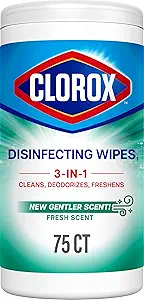
The point is not that you need a hundred specialty products. The point is that your kitchen needs to be both clean and food-safe.
If you prefer fewer products in the house, simple basics usually do the job just fine.
A Quick Note About Sanitizing
If you use bleach water, make sure it is properly diluted and used safely. Never mix bleach with other cleaners, and make sure food-contact surfaces are handled according to the product directions.
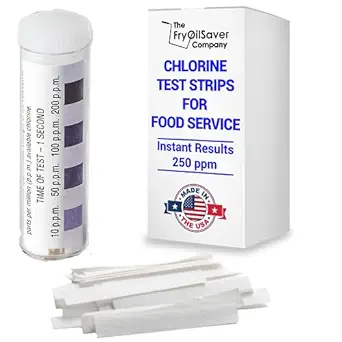
In restaurants, we use a bleach solution in the range of about 50 to 100 PPM (parts per million). If you want to use bleach water at home, chlorine test strips are an easy way to make sure your sanitizer is actually in a safe and effective range. You can usually get a pack pretty cheaply, and in my opinion, they are worth it for the peace of mind.
I am not trying to turn this into a chemistry lesson, just saying that simple works if you use it correctly.
Keep Things Clean Before They Get Gross
You know what I hate? Cleaning. Cabinet doors. The inside of the oven door. The microwave after something explodes in it.
I have found that wiping things down regularly is a lot easier than waiting until every surface in the kitchen starts looking like it gave up.
A quick once-over once a week does a lot. It will not always save time on paper, but it absolutely saves effort. A fast wipe-down is easier than a deep-cleaning project you keep putting off for three months.
This is one of those habits that does not feel important until you stop doing it.
Everything Needs a Place
I like knowing where everything is.
That is one of the biggest habits I carried home from restaurant work. In a rush, seconds matter. If you know where your tongs, spatula, knife, sheet pan, or thermometer live, you waste less time digging through drawers and moving piles around.
At home, that same habit makes cooking feel less chaotic.
I do not have a giant kitchen, and I am not loaded down with every gadget under the sun. I have the basics I actually use, and they all have a spot. That makes a small kitchen work a lot better.
If you are always hunting for things while you cook, it might be worth asking:
- What do I use all the time?
- What can live somewhere easy to reach?
- What can be moved because I barely touch it?
Not everything needs prime real estate in your kitchen. Just the things you actually use.
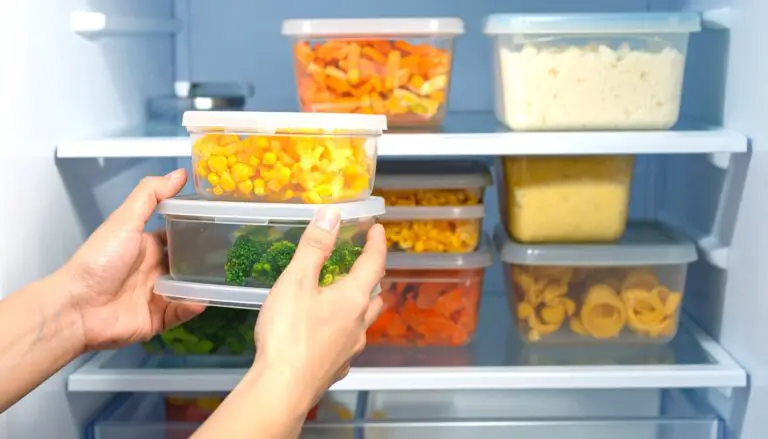
Label Your Food
Have you ever looked in the freezer and found a mystery container or a frozen lump wrapped in foil and thought, “Well, this could be chili, or it could be pasta sauce, or it could be something I meant to throw away three months ago”?
That is why I label things.
I keep masking tape and a marker in the kitchen so I can label containers before they go into the fridge or freezer. This is especially helpful for freezer food, because once something freezes, it starts looking a lot less obvious.
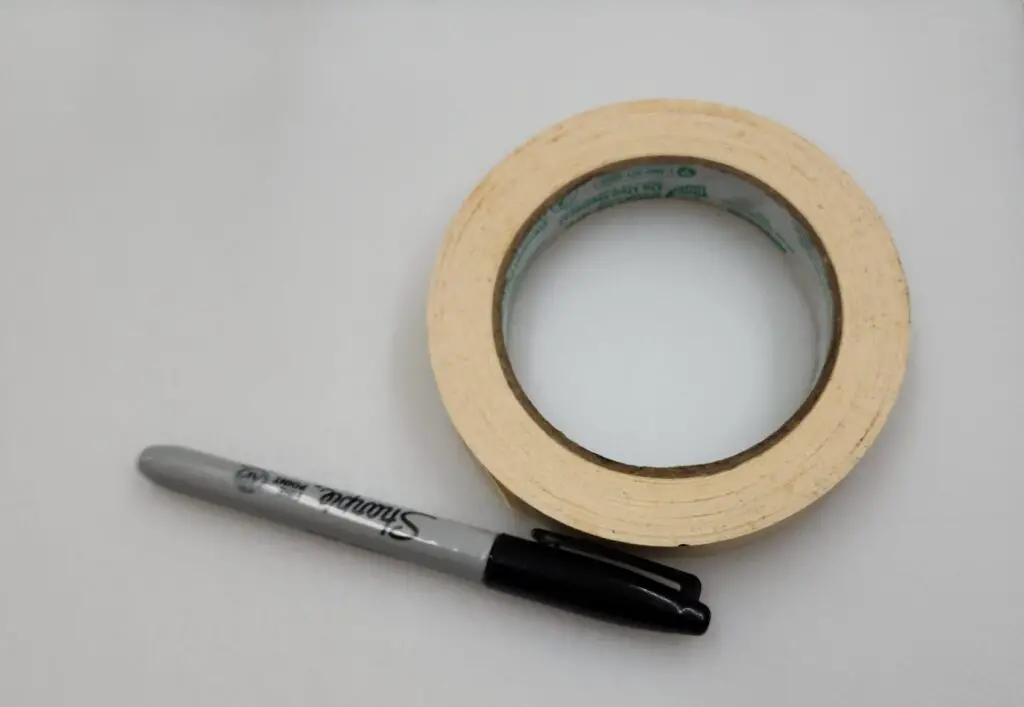
Even a simple label with the name and date helps a lot. It saves time, cuts down on waste, and makes it easier to keep track of what is still good.
It is also one of those habits that makes your kitchen feel a lot more under control for very little effort.
Final Thoughts
These are some of the simplest restaurant habits I think actually make life easier at home.
You do not need to do everything like a professional kitchen, and honestly, some restaurant habits are terrible and should stay at work. But a few of them really do help.
Clean as you go. Keep things where they belong. Label your food. Wipe things down before they turn into a project.
None of that is glamorous, but it makes cooking at home smoother, and that matters a lot more than owning some weird single-purpose gadget you are only going to use twice a year.