How to Salt Food Properly (Without Overthinking It)
There are lots of phrases thrown around in recipes, especially in the food blogging world: “season to taste,” “salt your pasta water like the ocean,” and my personal favorite, “use kosher salt.” I don’t even own kosher salt. Do you know how that has affected my food? Not even a little bit.
All of those phrases can feel a little confusing, and they definitely are not helpful if you are new to cooking and just want to make some basic pasta for dinner without taking a mini-course on how the Italians would do it. I’m going to break this down as simply as I can and hopefully explain it without sounding like a textbook.
Why Salt Is Important in Cooking
Let me give you some information you did not ask for first. It is relevant, I promise.
Salt is one of the five basic tastes humans can identify. The other four are sweet, sour, bitter, and umami. That is part of why salt matters so much in cooking. When you use it well, it brings out the flavor of food. When you overdo it, it can overpower everything else in the dish.
If you are cooking something and it tastes flat or like it is missing something, there is a good chance it needs salt.
In restaurant cooking, we usually try to balance salt, fat, and acid. That is how important salt is.
The Basic Rule: Salt in Layers
Salt in layers, not all at once.
This is one of the most important things to understand. If you are cooking something simple, like a pork chop, you can salt it once and be done with it. But if you are making a soup, sauce, or anything with multiple ingredients added over time, you usually need to season it more than once.
For example, if you are making soup and the recipe says “1 teaspoon salt” and “season to taste,” do not dump all the salt in at the beginning or save it all for the end. If you add all the salt too early, the flavor can still end up feeling flat by the time the soup is done. If you add all the salt at the end, it is more likely to taste like the salt is sitting on top of the dish instead of blending into it.
And here is another tip I will repeat forever: season your meat before cooking it, even if that meat is going into a soup or sauce later. At the very least, salt it before it hits the heat. Trust me on that one.
How to Salt Meat, Vegetables, Pasta, and More
How to Salt Meat
In general, salt meat before cooking it. Sometimes that means right before it goes into the pan. Sometimes that means giving it 30 minutes or even an hour if you have the time.
Larger cuts like steaks or roasts can benefit from being salted farther ahead, but that is not always practical for home cooking. It is not even always practical in my restaurant, and I have a whole walk-in fridge.
If you only remember one rule for meat, make it this: if it is meat, salt it before it hits the heat.
How to Salt Vegetables
Vegetables can be a little trickier because the cooking method matters.
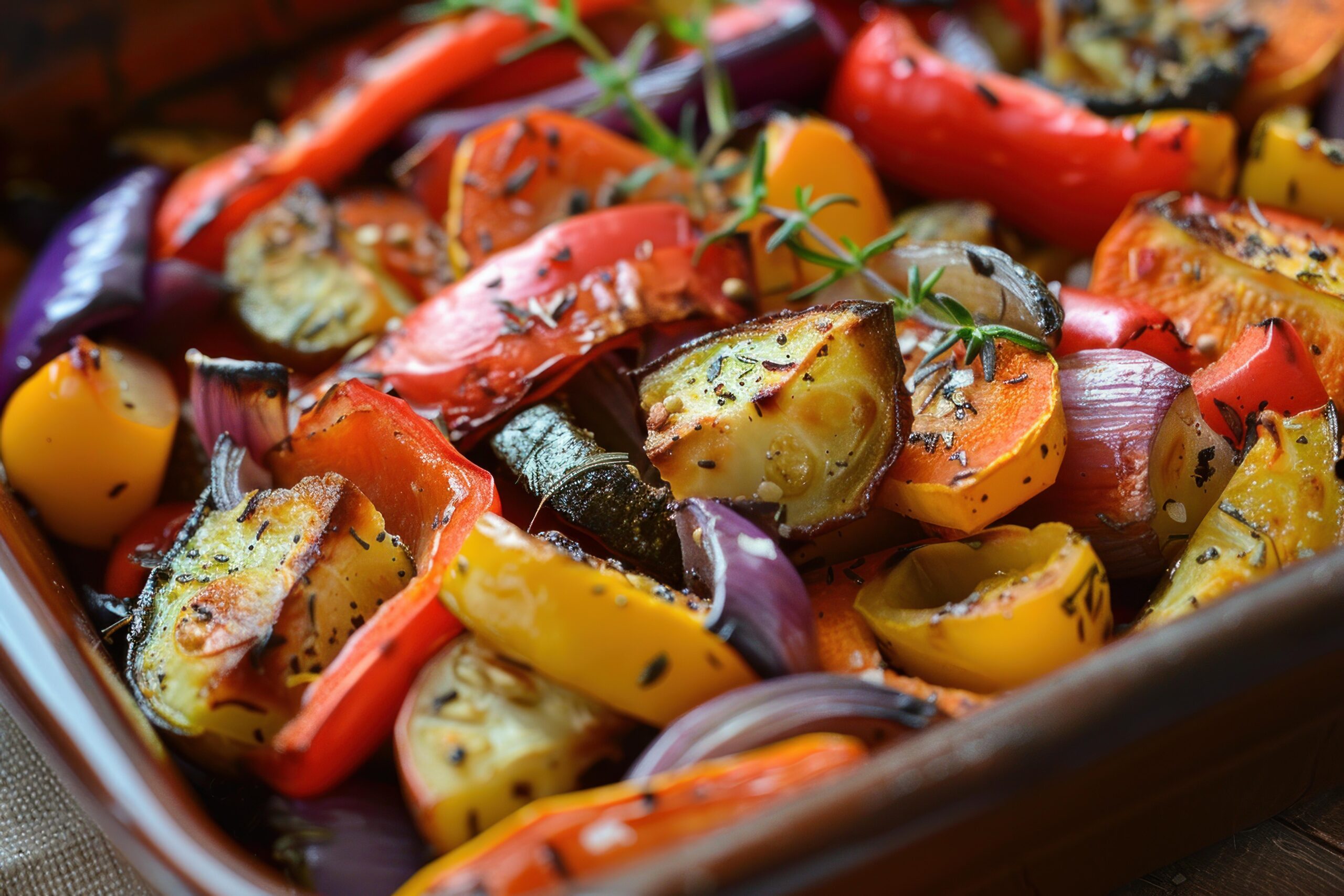
If you are roasting vegetables, season them before cooking. When pan-cooking them, season them during cooking. And finally, when boiling vegetables, salt the water and then taste and adjust after draining if they still need help.
If you can only keep track of one thing here, remember this: vegetables usually need seasoning during the cooking process, not just after they hit the plate.
How to Salt Pasta Water
This is the one where people love to say your pasta water should “taste like the sea” or “taste like the ocean.” I get what they mean, but that is not especially helpful advice for beginners.
The point of salting pasta water is to season the pasta while it cooks. It also helps the pasta taste less bland on its own. A good general range is about 1 to 2 tablespoons of salt for 4 to 6 quarts of water.
Please do not literally try to make it taste like ocean water. There is absolutely such a thing as too much salt.
How to Salt Soups and Sauces
Salt soups and sauces as they cook, not only at the very beginning or the very end.
Most soups and sauces are built in layers. You may season the onions a little, then the meat, then the liquid, then adjust near the end. That is normal. That is also why recipes often say “season to taste.”
If “season to taste” feels vague, all it really means is this: add a small amount, stir, taste, and decide if it needs more. If the dish tastes better, you may need another small addition. Balanced taste? Stop there.
In restaurants, we do taste soups and sauces before service, but we are tasting for overall balance and whether the flavors are coming through properly. That is a little different from just throwing in salt and hoping for the best.
How to Salt Eggs
Eggs are one of those foods I have a lot of opinions about.
The biggest one is that people are very specific about how they like them seasoned, so personal preference matters a lot here. I cannot tell you the exact right amount of salt for your eggs, but I can tell you this: seasoning during cooking or right after cooking both work just fine.
Seasoning during cooking usually gives a better result, but not by such a huge margin that salting after cooking is going to ruin your breakfast.
How to Salt Potatoes
Everybody say it with me: potatoes need salt.
They need it. This is a hill I am willing to die on, and no one is going to convince me otherwise.
Salt potatoes during cooking and then adjust them again at the end. They also tend to need more salt than people think they do, so do not be afraid of it.
A classic example is mashed potatoes. I salt the water when I boil them, and then I add more salt when I add the butter, milk, and the rest of the seasonings while mashing. They need the salt.
Types of Salt and When to Use Them
Kosher Salt
Kosher salt is flakier than table salt, which makes it easier to grab with your fingers and sprinkle evenly. That is one reason a lot of cooks like it. Flavor-wise, though, it is still salt. If you do not keep kosher salt in the house, you are going to be just fine.
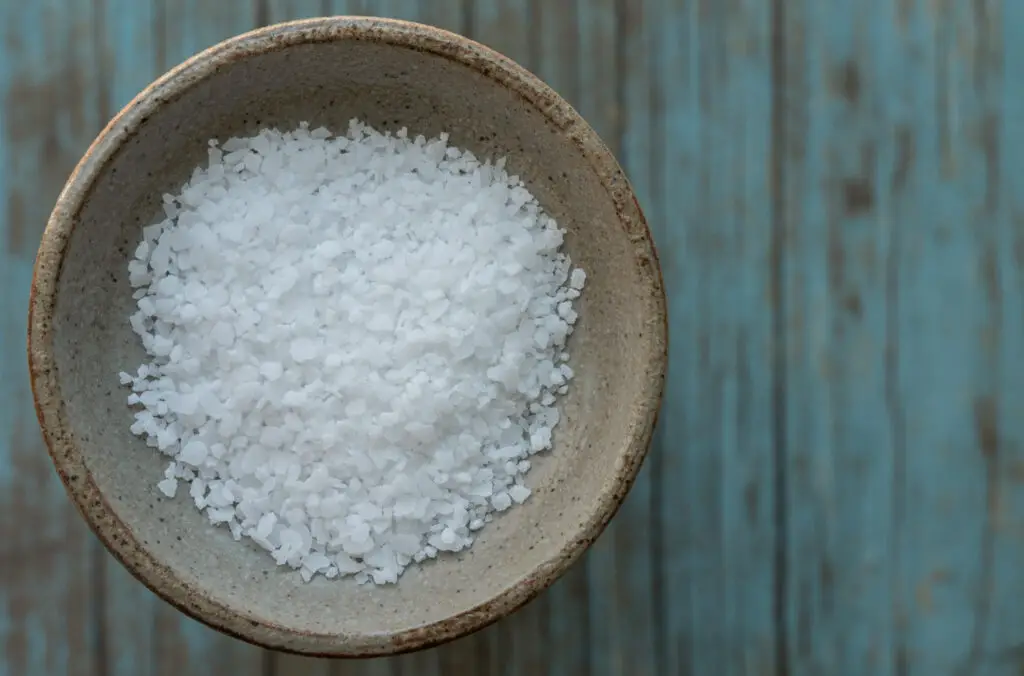
Table Salt
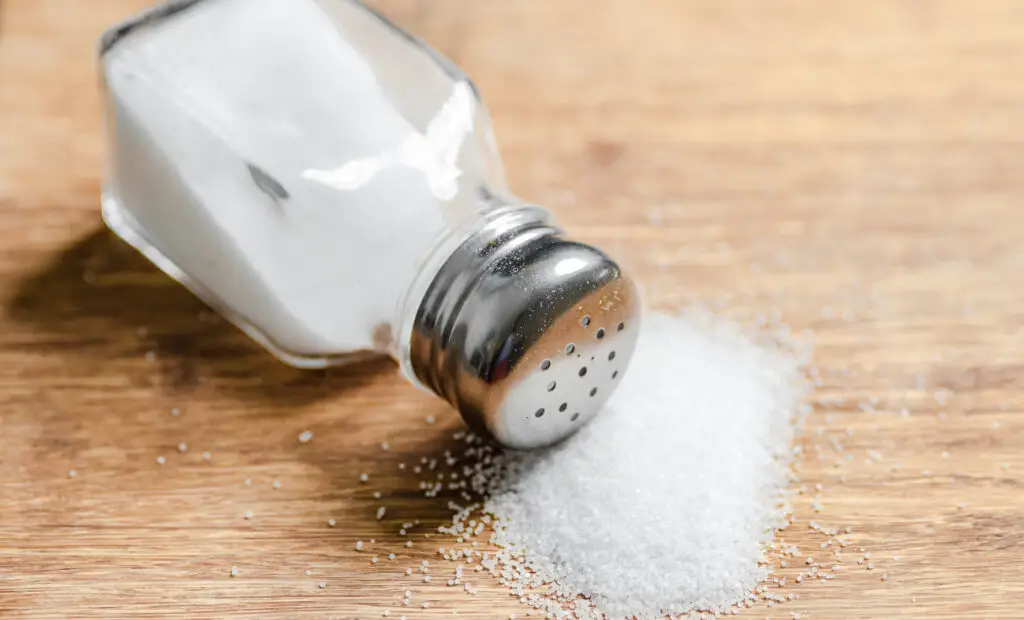
This is the standard salt you will find in most salt shakers. It has the same basic salty flavor as kosher salt, but the grains are much finer. That means if a recipe calls for kosher salt and you are using table salt, you usually want to use a little less.
Sea Salt
Sea salt is made by evaporating saltwater. People often use it as a finishing salt, especially when it comes in larger flakes or crystals. Some people like the texture or subtle flavor differences, but for everyday cooking, it is not mandatory.
Himalayan Pink Salt
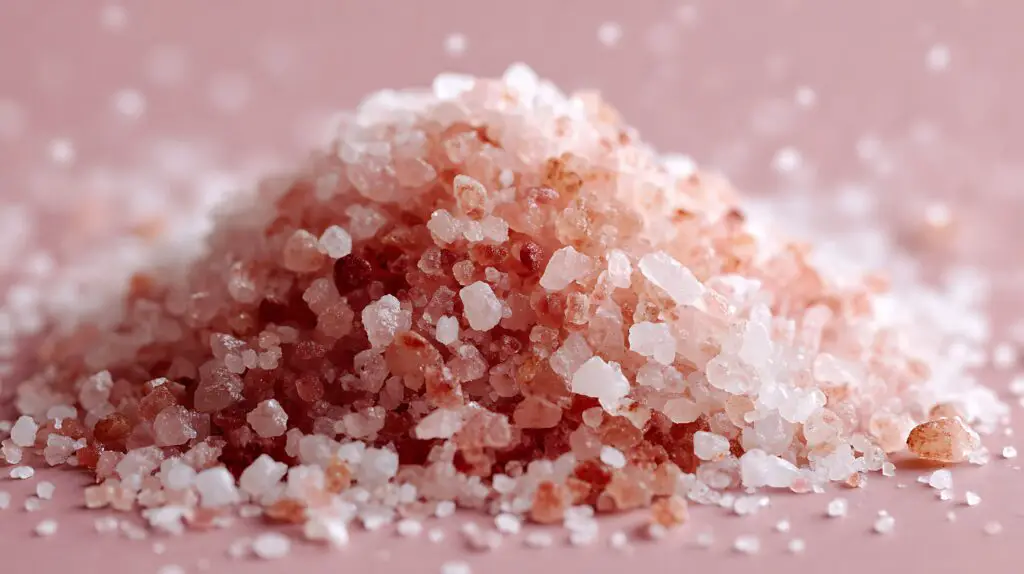
Himalayan pink salt is usually sold as a coarse finishing salt and does contain trace minerals that give it its color. It also tends to cost more. Personally, I do not think it is necessary. If you like it, great. If not, regular salt will do the job just fine.
Why Iodized Salt Still Matters
Salt is not just there for flavor. It is also an electrolyte, and our bodies do need sodium.
Another practical thing to know is that most table salt in the United States is iodized, which means iodine has been added to it. Iodine is important for thyroid health, which is one reason some people keep regular iodized table salt around even if they use other salts for cooking or finishing.
Common Mistakes When Salting Food
Besides over-salting or under-salting, here are a few other mistakes people make:
- Only salting at the end of cooking
- Salting the sauce or soup, but not the protein going into it
- Adding too much salt at once instead of building it slowly
- Never tasting the food while they cook
- Taking phrases like “salt like the sea” too literally
The safest way to season is to add a little at a time and taste as you go. You can always add more. Fixing food that is too salty is much harder.
Final Takeaway on How to Salt Food
Salt matters. It helps food taste more like itself.
If you want your food to taste better, salt in layers, taste as you go, season meat before cooking, and do not be afraid to adjust as you work. You do not need to overthink it, and you definitely do not need a special salt collection to make dinner taste good.