How to Store Fresh Herbs So They Last Longer
I am one of those people who has an herb garden with the best of intentions. I really do mean to use all those green onions and all that mint. Just kidding — mint is a garden terrorist and will take over everything if you do not keep it in check.
I really do intend to use most of it. Instead, I usually let it flower next to the raspberry bushes I apparently planted for my local birds. So naturally, I buy the fresh herbs I am actually going to use.
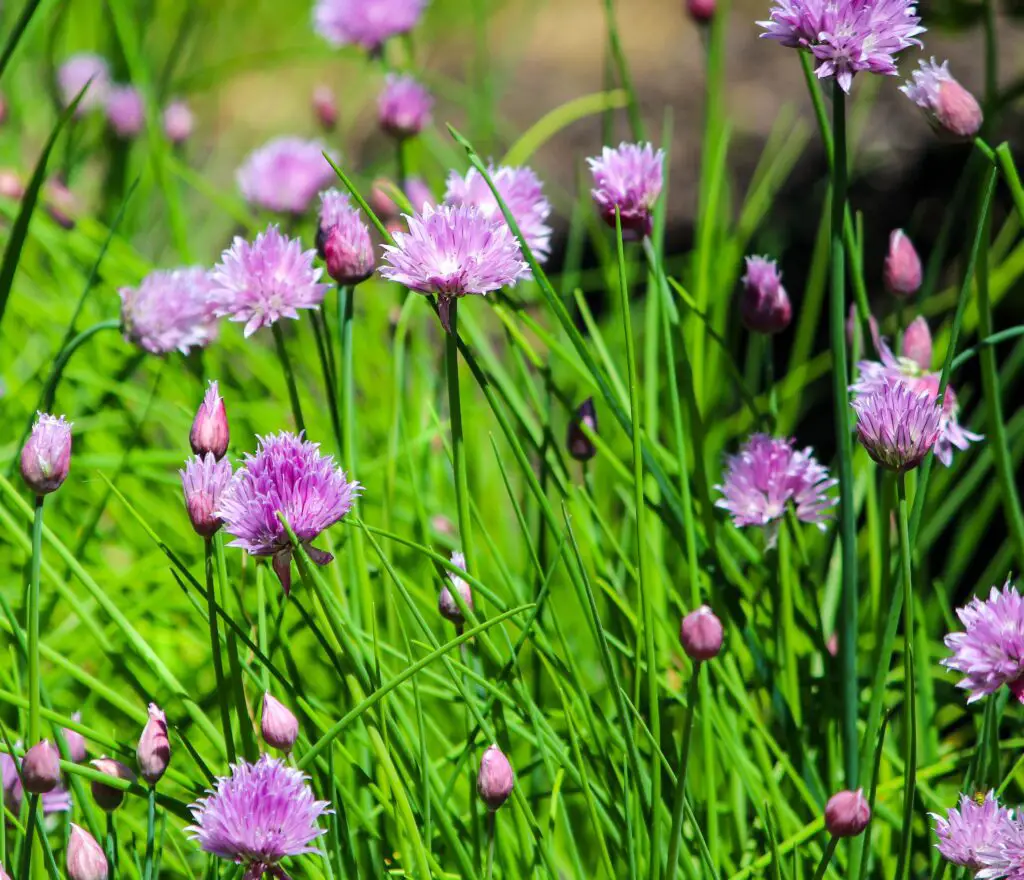
Some herbs are incredibly hardy, and you do not need to do much to keep them happy. Others turn into some sort of weird monstrosity with black leaves and slime. Of course, I mean basil.
Here are some simple tips to help you keep fresh herbs around long enough to remember why you bought them.
First, do not wash everything the minute you get home
I know it feels productive, but washing herbs before you store them usually shortens their life unless you are very careful about drying them really well.
Moisture in a bag of fresh herbs is a recipe for spoiled herbs. Keeping them dry is one of the best ways to help prevent that.
If you absolutely need to clean your herbs before storing them, rinse them with cool water and pat them dry with a paper towel. Do not rub or crush them. That can damage the delicate leaves.
If the herbs look clean, I would rather store them first and wash them right before I use them.
Soft herbs do best with a little moisture
This group usually includes:
- parsley
- cilantro
- dill
- mint
- sometimes green onions, depending on how you use them
These herbs are tender and lose life fast if you leave them shoved in a produce bag.
The easiest method is:
- Trim the ends a little
- Put them in a jar or glass with a small amount of water
- Loosely cover the top with a plastic bag if you want extra protection
- Store them in the fridge
You do not need much water. Just enough to cover the stems a bit. Too much water can turn the bottoms mushy, and nobody needs that.
I usually change the water if it starts looking cloudy. I do not typically cover mine with a bag, but if you do, make sure the leaves stay dry.
Basil is the diva of the group
Basil does not like being treated exactly like parsley, and it definitely does not enjoy a cold refrigerator the way some other herbs do. If you have ever put basil in the fridge and found blackened, sad leaves later, that is why.
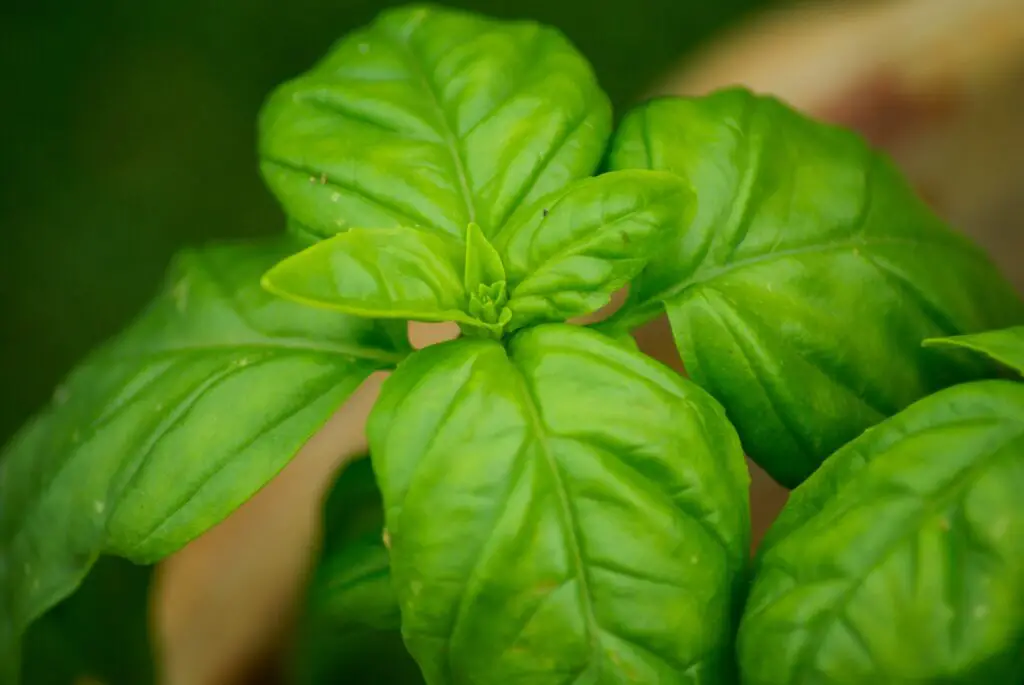
Basil usually does best:
- trimmed at the stem
- standing in a glass or jar with a little water
- loosely covered if needed
- kept at cool room temperature for short-term use
If your kitchen is blazing hot, basil may still struggle; this is why I called it the diva.
Also, if basil is starting to go soft or discolor around the edges, use it right away. Chop it into butter, stir it into sauce, or freeze it in oil.
If you are a fresh basil lover and want to use it frequently, buy a few basil plants and keep them in your kitchen window. I know it seems strange, but basil just does not do well after being picked.
I cannot tell you how many times I have ordered basil to make pesto in my restaurant and found black leaves in the bag while inspecting my shipment.
Hardy herbs are a little less dramatic
This group usually includes:
- rosemary
- thyme
- oregano
- sage
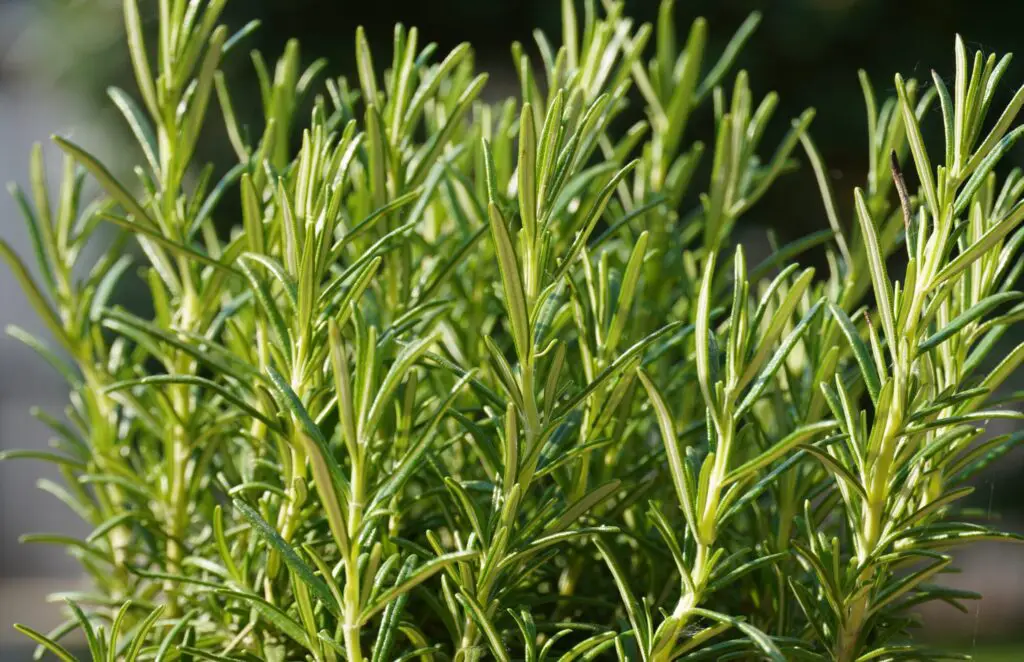
These herbs are sturdier and do not need the bouquet-in-a-glass treatment.
I usually wrap them loosely in a paper towel, then put them in a bag or container in the fridge. The paper towel helps catch excess moisture without drying them into dust.
The goal is not to mummify them. The goal is to keep them from sitting wet.
If the towel gets soggy, replace it. If the herbs are bone dry and brittle, you went too far in the other direction.
Green onions can be easy
You can store whole green onions in a couple of different ways, but if you want them to last longer, I like one of these:
- wrapped loosely in a paper towel and stored in a bag in the fridge,
- stood upright with the roots in a little water if they are especially fresh
Either works. The main thing is not letting them sit trapped in a wet package.
I personally keep green onions ready to use at work. Here’s how: rinse them, pat them dry, and chop them; they will do well for a few days in the fridge. Just make sure they are dry before you put them in a container. I personally use lots of green onions to garnish, so this is the go-to method in the restaurant.
The biggest mistake is trapped moisture
This is what ruins most herbs faster than anything else.
If herbs are:
- wet
- packed too tightly
- sealed with no airflow
- forgotten in the coldest, soggiest corner of the fridge
They usually go downhill fast.
A lot of people think the problem is just that fresh herbs do not last. Sometimes that is true. But a lot of the time, the real problem is that they got damp, smashed, and forgotten.
If they are starting to go, use them now
This is the part where real life beats perfection.
If your parsley is a little droopy but not rotten, use it tonight.
If your cilantro is one day away from becoming compost, make the salsa.
If your basil is getting soft, turn it into pesto, herb butter, or a quick sauce.
Do not wait for the perfect recipe. Fresh herbs are one of those ingredients that won’t wait for you to think about things. Use them up.
You can throw them into:
- soups
- eggs
- rice
- pasta
- salad dressings
- roasted vegetables
- sandwich spreads
- compound butter
That is how you waste less food in an actual kitchen — not by giving yourself a lecture and then letting the herbs die anyway.
Freezing is better than wasting
If you know you are not going to use the herbs in time, freeze them.
Some herbs freeze better chopped than whole. Some are best frozen in a little oil or butter. They may not come back looking pretty enough for garnish, but they will still do their job in cooked food.
That is a good trade.
I would much rather have frozen chopped herbs ready for soup or sauce than a bag of black sludge in the produce drawer.
A cook’s note on how to prep herbs for freezing
There are a couple of main ways to freeze fresh herbs if you are not turning them into a sauce or compound butter.
One method is to use a food processor to mince the herbs. Add a little olive oil or water until they form a paste, then freeze the mixture in an ice cube tray in portions you will actually use. Once frozen, transfer the cubes to an airtight bag or container. This method is especially good for hardy herbs and basil.
The second method is to chop the herbs by hand and freeze them in a single layer on a tray first. Once frozen, transfer them to an airtight container or freezer bag. This works better for delicate herbs that bruise easily.
Quick cheat sheet
The TL;DR version:
- Parsley, cilantro, dill, mint: stems in a little water, fridge
- Basil: stems in water, usually better at room temperature, or buy a live plant to keep
- Rosemary, thyme, sage, oregano: loosely wrapped, fridge
- Green onions: paper towel in the fridge or roots in a little water
- Do not store wet herbs: pat them dry first
- Freeze extras before they turn
Fresh herbs do not have to be a waste-of-money ingredient. You just need to store them based on what they are, not throw them all in the fridge the same way and hope for the best.